Blog
Articles about Operational Excellence, strategy execution and operating models.
 SIPOC life planningpersonal process mapgoal planning
 operational excellence jobs
 servicesreduce waste
 what is operational excellence
 reduce delays
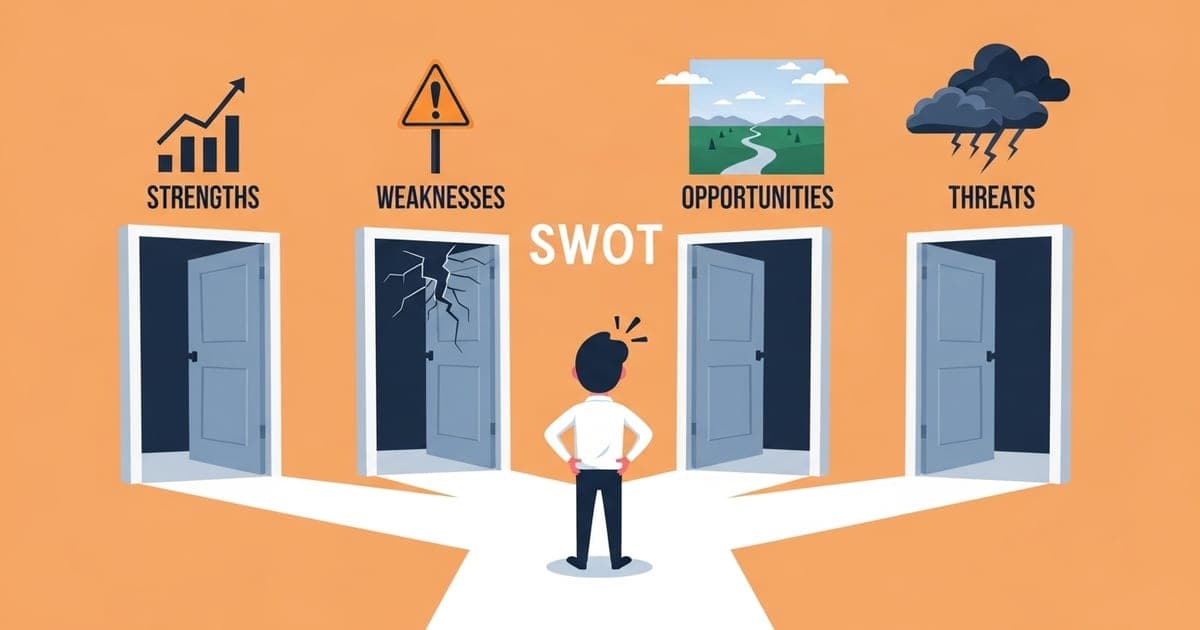
Many organizations pursue operational excellence but rely on scattered local fixes and individual heroics, which breaks down when growth, AI, or new go-to-market motions expose weaknesses. The key issue is readiness: whether the operating model has the discipline, data, decision rights, and governance to sustain improvements and scale without constant fire drills. An operational excellence assessment checks how well people, processes, data, and decision-making work together under real pressure, using five pillars: process clarity, decision rights, data discipline, continuous improvement habits, and change capacity. A simple readiness checklist can categorize organizations as reactive, developing, or scalable and guide next steps by selecting one critical process and aligning ownership, metrics, and adoption.
gaps
AI and Lean Six Sigma work together by combining Lean’s structured problem-solving (like DMAIC and root-cause analysis) with AI’s speed, scale, and pattern recognition. In factory settings with large volumes of machine and quality data, AI can continuously detect abnormalities, highlight likely causes faster than manual review, and alert teams as soon as processes begin to drift. Lean Six Sigma then turns those AI insights into targeted countermeasures that reduce variation, improve flow, and stabilize processes. Overall, the partnership shifts manufacturers from reactive firefighting to proactive, data-driven continuous improvement.