RCA Process: From Problem Definition to Verified Follow-Up
Root cause analysis is not a blame exercise. It is a disciplined, evidence-based method for understanding why a failure happened, what allowed it to happen, and what must change to prevent recurrence. In maintenance, operations, quality, and safety, the value of RCA depends on the quality of the process.
The most effective RCA work follows a clear flow: define the problem, collect facts, build a timeline, identify causal factors, test the causes, implement corrective actions, and verify that the fix works. This article outlines that flow step by step.
1. Define the problem clearly
Start with a precise problem statement. Avoid vague language such as “equipment issue” or “operator error.” Define:
What happened
Where and when it happened
What the impact was
How often it has occurred
What “good” looks like
Example: “Line 3 conveyor motor tripped three times in two weeks, causing 4.5 hours of unplanned downtime and missed production targets.”
A strong problem definition creates focus and prevents the team from solving the wrong issue.
2. Contain the immediate risk
Before deeper analysis, stabilize the situation. Containment protects people, product, equipment, and service continuity.
Apply temporary controls
Restore safe operation
Protect affected product or assets
Escalate if there is an active safety or environmental risk
Containment is not the final fix. It is the short-term action that buys time for proper analysis.
3. Collect facts and evidence
RCA must be built on evidence, not assumptions. Gather objective data from the event and the surrounding conditions.
Event logs, alarms, and trend data
Maintenance history and work orders
Operator observations and witness statements
Photos, samples, failed parts, and inspection results
Process parameters, setpoints, and environmental conditions
Separate facts from opinions. Record what was seen, measured, or verified.
4. Build a timeline of events
A timeline helps the team understand sequence, timing, and cause-and-effect relationships. It is especially useful in incidents with multiple contributing factors.
What happened first?
What changed before the failure?
What actions were taken?
What was the response?
What happened after the event?
In many cases, the timeline reveals the gap between the first deviation and the final failure.
5. Identify causal factors
Causal factors are the conditions and events that contributed to the problem. They are not yet the root cause, but they explain how the failure developed.
Useful tools include:
5 Whys
Fishbone Diagram
Fault Tree Analysis
Process mapping
A3 problem solving
Look across common categories such as machine, method, material, manpower, measurement, and environment. In reliability work, also consider maintenance strategy, inspection quality, operating discipline, and design weakness.
6. Test and validate the root cause
Do not accept the first plausible answer. A root cause must be verified against the evidence.
Does the cause explain the timeline?
Does it explain all observed symptoms?
Can it be proven with data, inspection, or testing?
Would the problem recur if nothing changed?
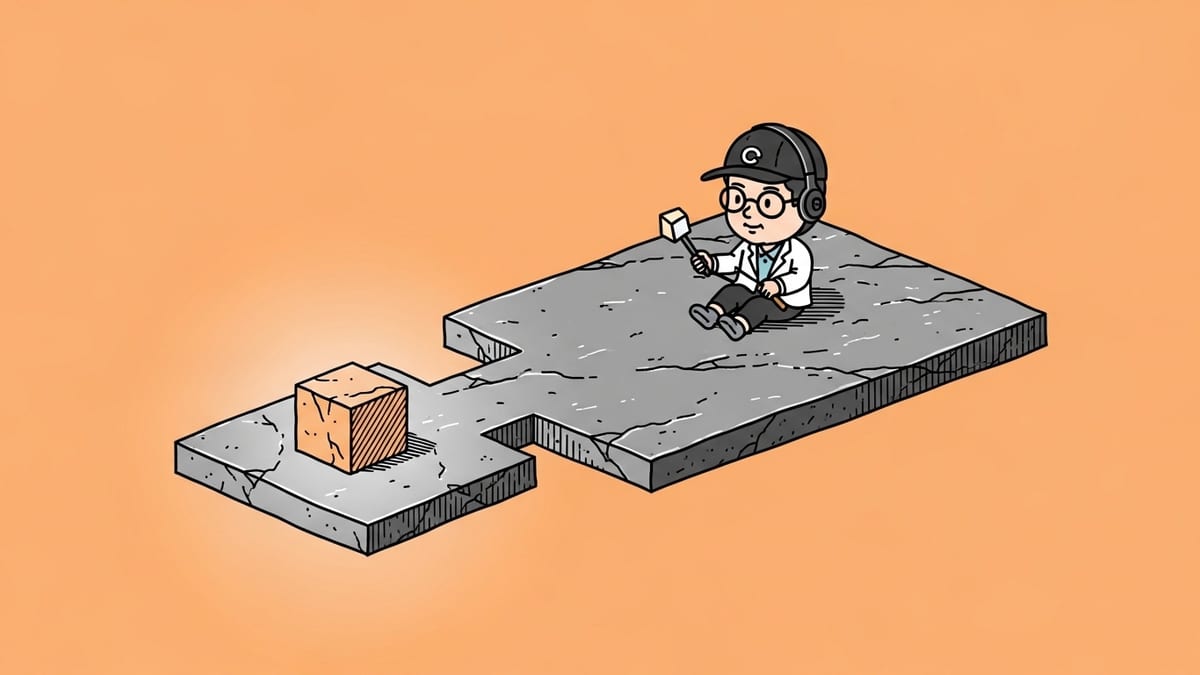
For example, if a pump failed repeatedly, the cause may not be “bad bearing.” The verified cause may be poor lubrication due to an inaccessible grease point, an incorrect interval, and no standard inspection method.
Validation is what separates real RCA from guesswork.
7. Define corrective actions
Corrective actions must address the verified cause, not just the symptom. Strong actions are specific, practical, and owned by named people.
Eliminate the cause where possible
Reduce exposure or risk if elimination is not possible
Improve detection or early warning
Update standards, procedures, or training
Modify design, maintenance plan, or operating method
Use a mix of immediate, short-term, and permanent actions when needed. Prioritize actions that are robust and sustainable.
8. Assign ownership and due dates
Every action needs a clear owner, deadline, and expected outcome. Without ownership, RCA becomes a report instead of a change process.
Who is responsible?
What exactly will be done?
By when?
How will completion be confirmed?
What evidence will show the action is effective?
Track actions in a visible system so progress does not disappear after the meeting.
9. Verify effectiveness
Completion is not the same as effectiveness. Verify that the action actually reduced or removed the problem.
Review post-action performance data
Inspect the changed condition in the field
Confirm the new standard is being used
Check for recurrence over an appropriate period
Example: a revised PM task is only effective if the failure mode stops recurring and the inspection can reliably detect early degradation.
10. Standardize and share learning
Once the fix is proven, lock it into the system. Update the documents and practices that control daily work.
Maintenance plans
Operating procedures
Training materials
Inspection standards
Risk registers and lessons learned
This is how a single incident becomes organizational learning.
11. Follow up and close the loop
RCA is not complete until the organization confirms sustained performance. Follow-up should check both action completion and long-term stability.
Were all actions completed?
Did the problem recur?
Were there unintended consequences?
Did the change improve reliability, safety, quality, or uptime?
Close the loop with evidence. If the issue returns, reopen the analysis and continue learning.
Common mistakes to avoid
Jumping to conclusions before collecting facts
Confusing symptoms with causes
Stopping at the first “why”
Writing weak actions such as “retrain operator” without fixing the system
Failing to verify effectiveness
Closing actions without follow-up data
Practical RCA checklist
Problem statement is specific and measurable
Containment is in place
Facts and evidence are collected
Timeline is built
Causal factors are identified
Root cause is validated
Corrective actions address the cause
Owners and due dates are assigned
Effectiveness is verified
Lessons are standardized and shared
Conclusion
A strong RCA process turns repeated failures into verified countermeasures. The discipline is simple: define the problem, follow the evidence, validate the cause, implement the right action, and confirm the result. That is how organizations move from reactive response to sustained reliability improvement.